
-
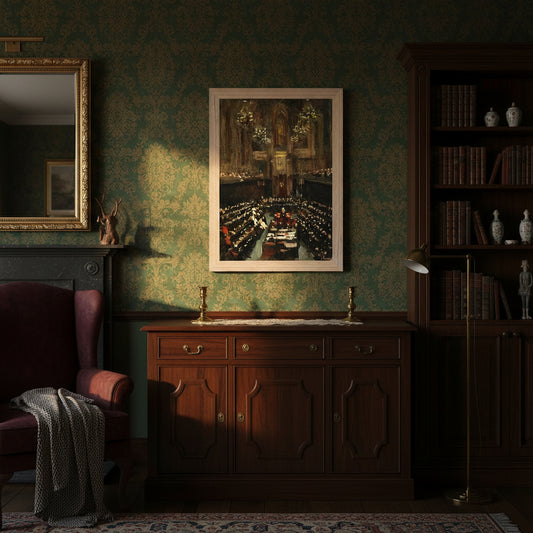
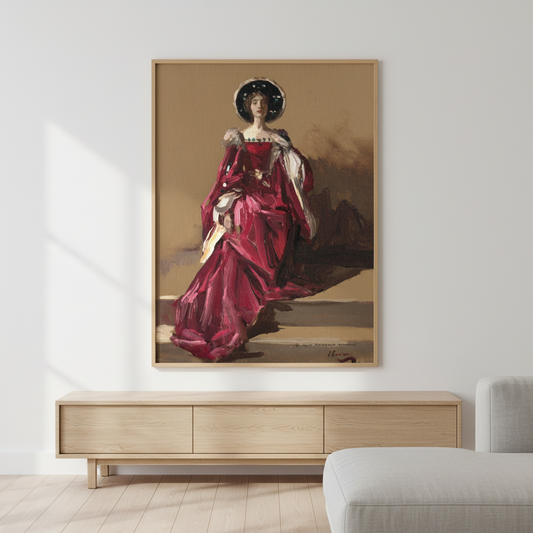
Irish Treaty Ratification (1921) – Sir John Lavery Print
Regular price From €60,00 EURRegular price -
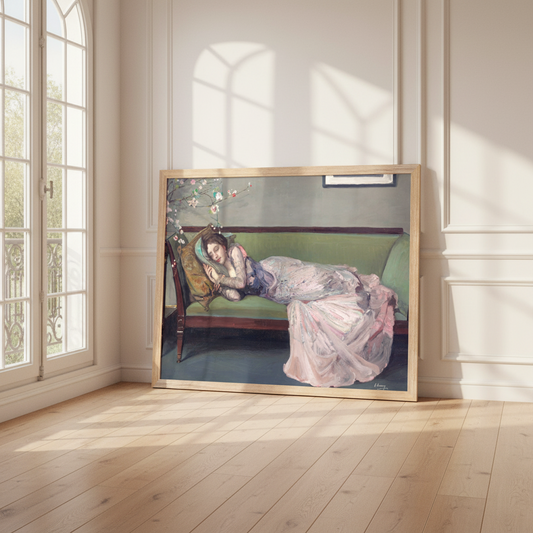
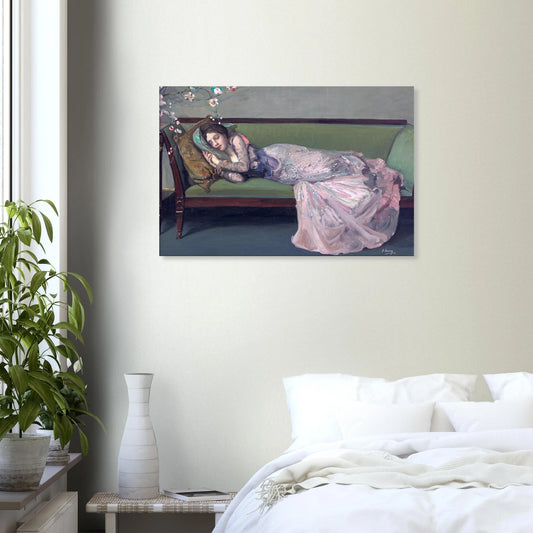
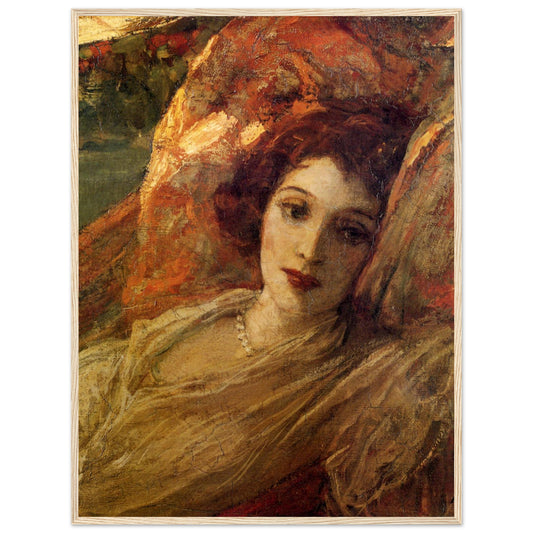
The Green Sofa – Sir John Lavery Art Print
Regular price From €60,00 EURRegular price -
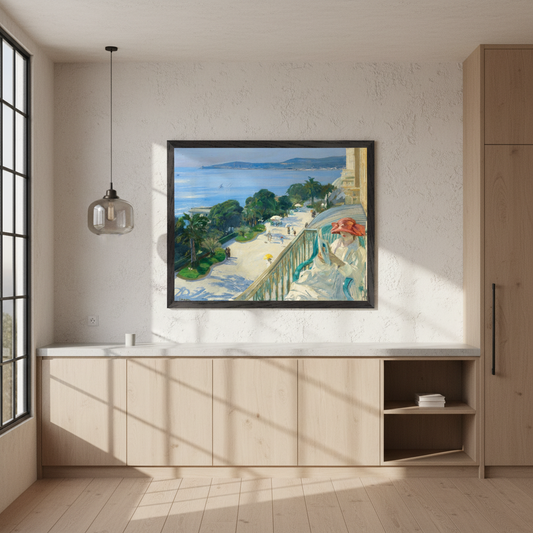
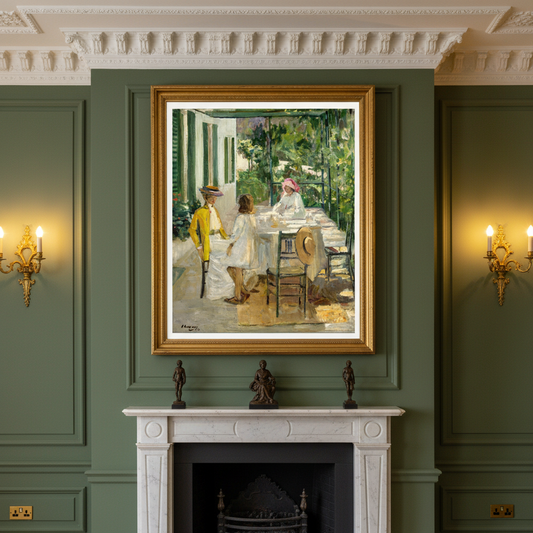
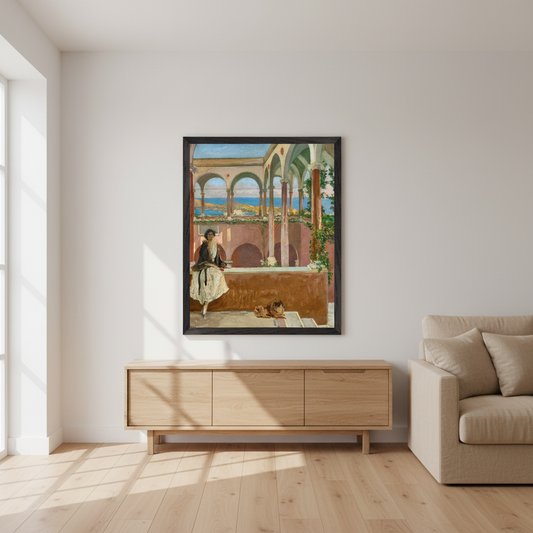
The Terrace, Cap d'Ail – John Lavery Art Print
Regular price From €55,00 EURRegular price -
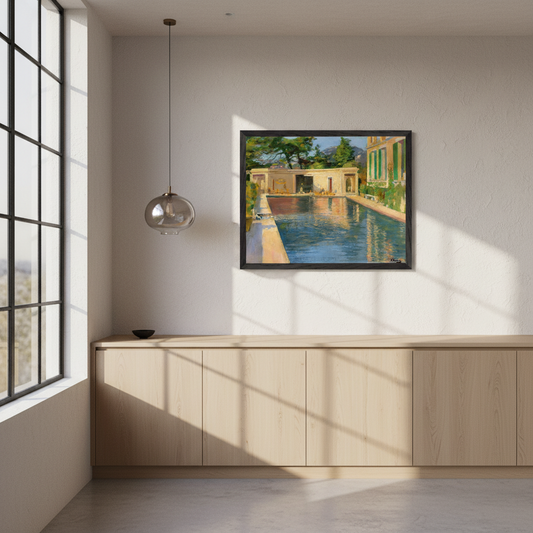
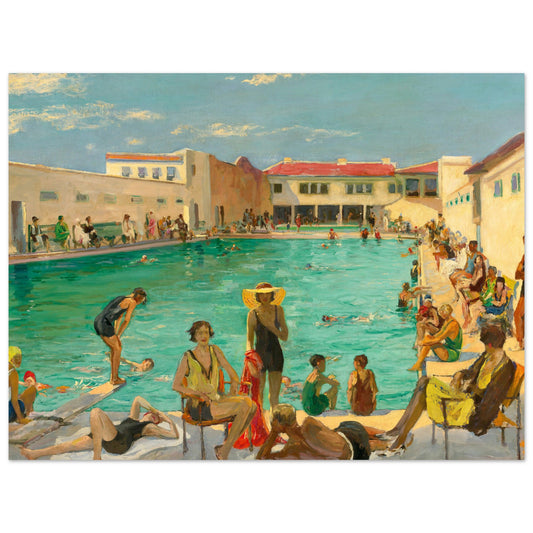
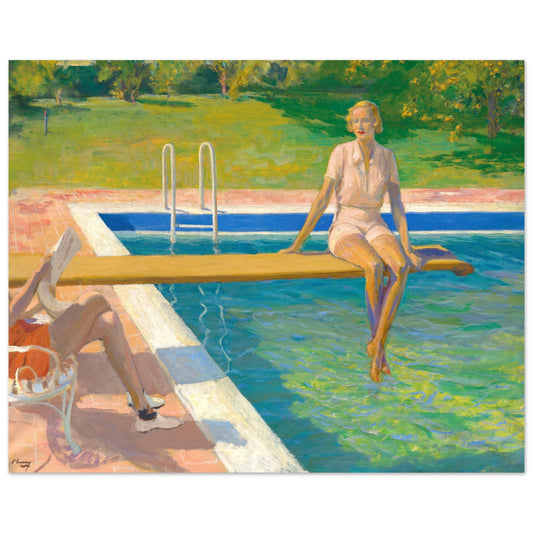
Swimming Pool, Southern France – Sir John Lavery Art Print
Regular price From €79,00 EURRegular price -
Beaulieu (1921) – Sir John Lavery Canvas Art Print
Regular price €199,00 EURRegular price -
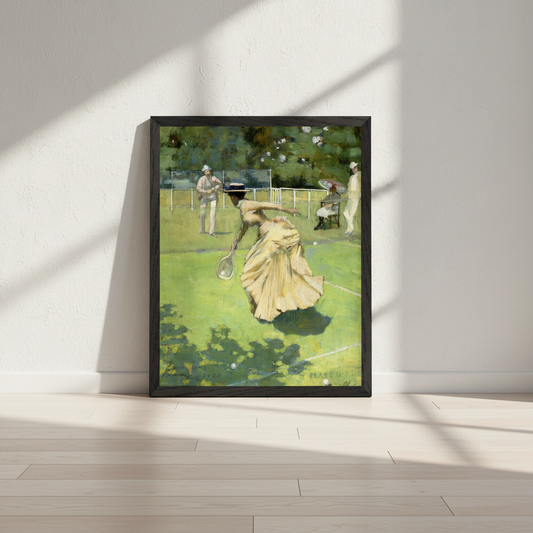
Sir John Lavery — "Played!!" | Irish Tennis Art Print | Heritage Gift
Regular price From €55,00 EURRegular price -
The Bay of Tunis, Morning – Sir John Lavery Art Print
Regular price From €75,00 EURRegular price -
Portrait of Walter B. Harris (1906) – Sir John Lavery Print
Regular price From €72,00 EURRegular price -
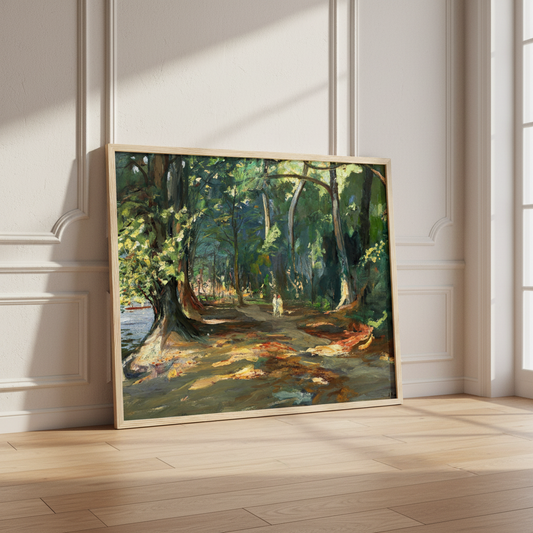
The Path by the River – John Lavery Art Print
Regular price From €55,00 EURRegular price -
Evening, Tangier – Sir John Lavery Art Print
Regular price From €60,00 EURRegular price -
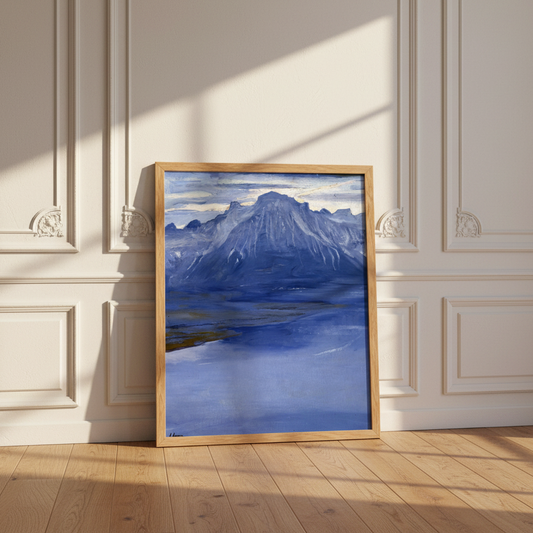
Twilight, Lake Geneva – Sir John Lavery Art Print
Regular price From €55,00 EURRegular price -
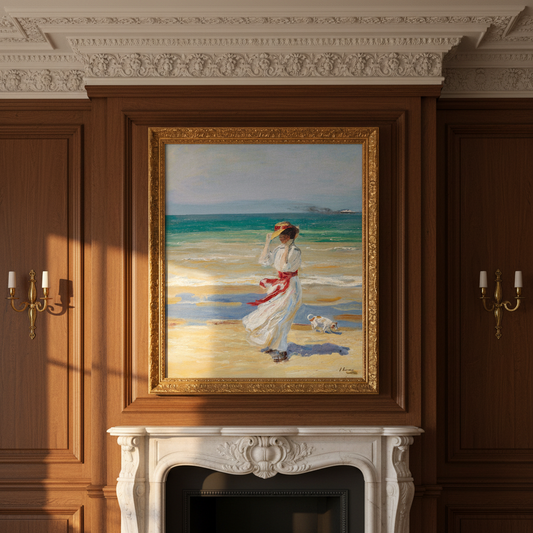
A Windy Day – Sir John Lavery Irish Art Print
Regular price From €75,00 EURRegular price -
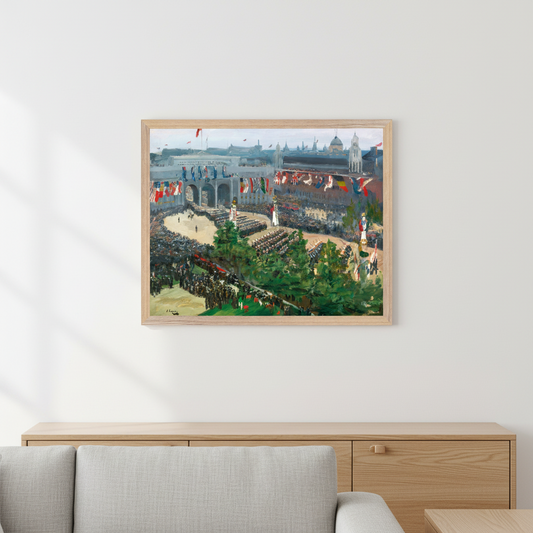
Admiralty Arch Victory Parade 1919 – John Lavery
Regular price From €55,00 EURRegular price -
On The Sands by John Lavery Art Print
Regular price From €75,00 EURRegular price -
Winter in Florida by John Lavery Art Print
Regular price From €75,00 EURRegular price -
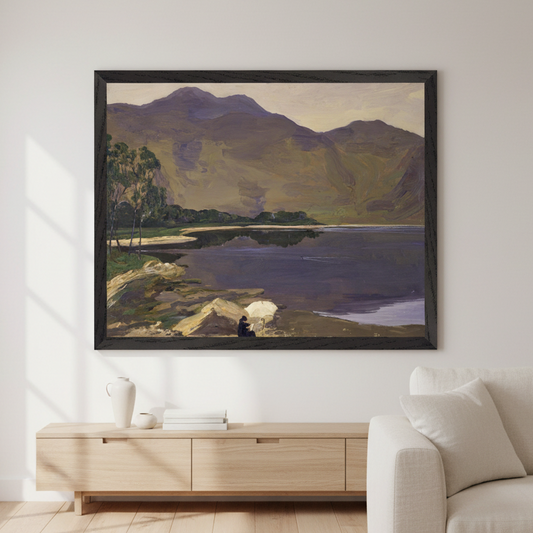
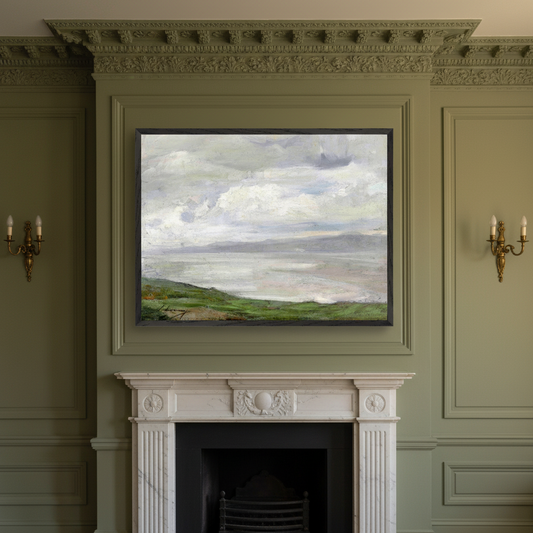
Loch Katrine – Sir John Lavery Art Print
Regular price From €55,00 EURRegular price -
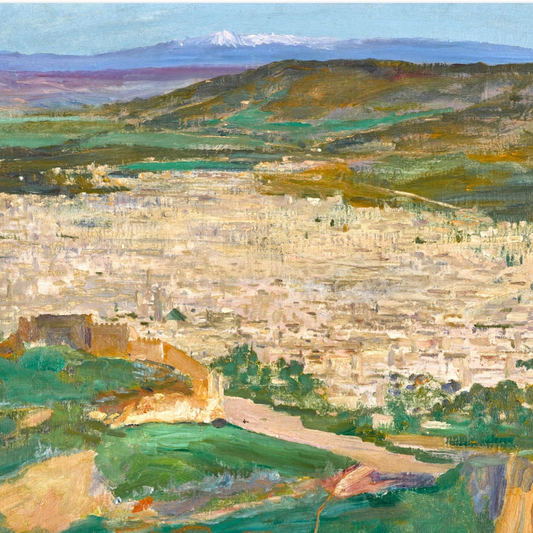
A View of Fez (1920) – Sir John Lavery Art Print
Regular price From €55,00 EURRegular price -
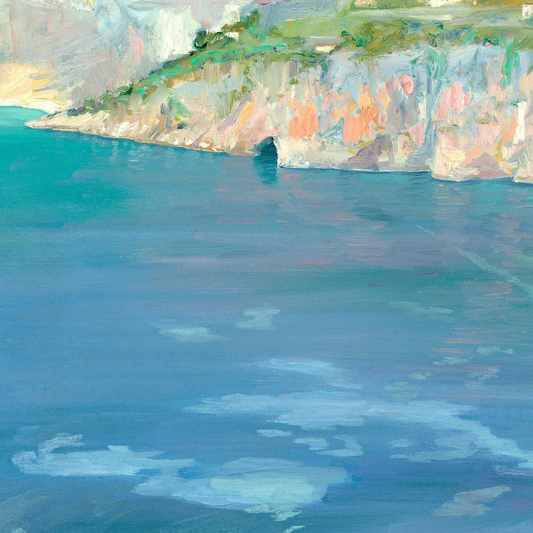
The Little White Boats, Cap Ferrat (1921) – Sir John Lavery Art Print
Regular price From €55,00 EURRegular price -
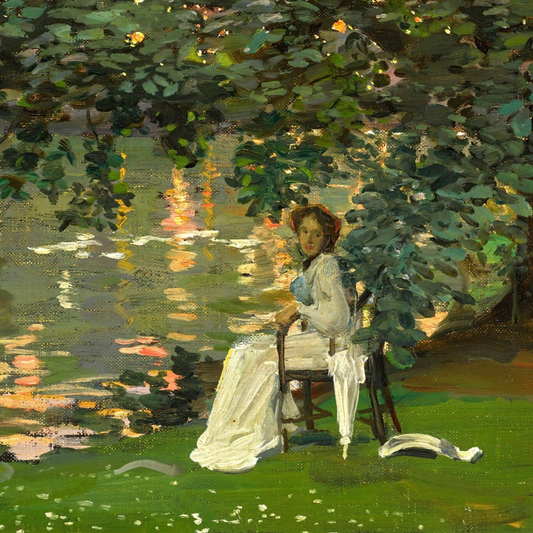
Under the Trees, Ranelagh (c.1898) – Sir John Lavery Art Print
Regular price From €60,00 EURRegular price -
Viscountess, Palm Springs by John Lavery Art Print
Regular price From €55,00 EURRegular price -
The Path by the River, Maidenhead – John Lavery
Regular price From €55,00 EURRegular price -
The Green Sofa — Sir John Lavery (1903) Canvas Print
Regular price €255,00 EURRegular price -
The Croquet Party – Sir John Lavery Canvas Wall Art
Regular price €129,00 EURRegular price -
The Red Hammock (1936) – Sir John Lavery | Irish Fine Art Print
Regular price From €75,00 EURRegular price -
Hazel in Rose and Grey (1922) – Sir John Lavery | Irish Fine Art Print
Regular price From €75,00 EURRegular price -
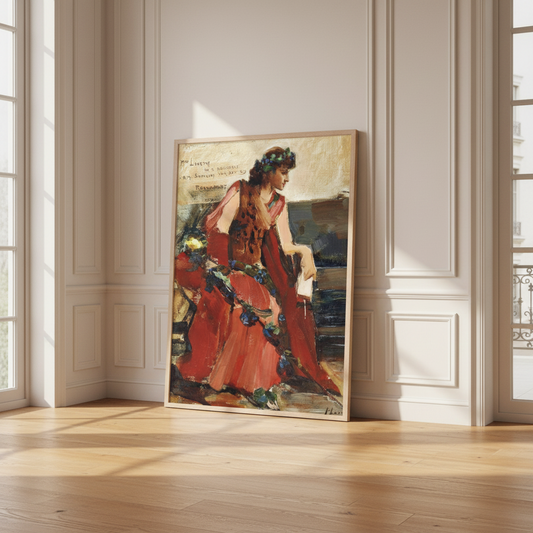
Mrs Langtry as a Bacchante John Lavery Art Print
Regular price From €72,00 EURRegular price -
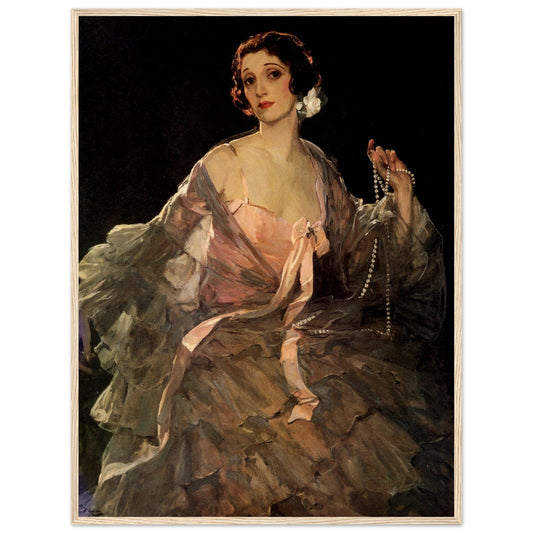
Edna May in The Belle of New York (1907) — Sir John Lavery Art Print
Regular price From €55,00 EURRegular price -
Lady Gwendeline Spencer-Churchill – John Lavery
Regular price From €72,00 EURRegular price -
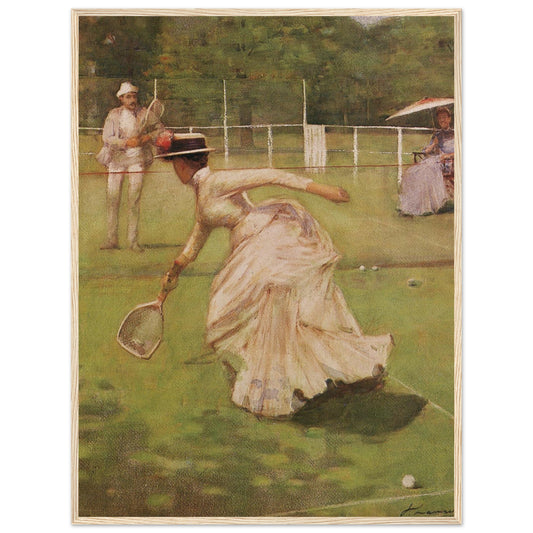
A Rally (1885) – Sir John Lavery | Irish Tennis Fine Art Print
Regular price From €75,00 EURRegular price -
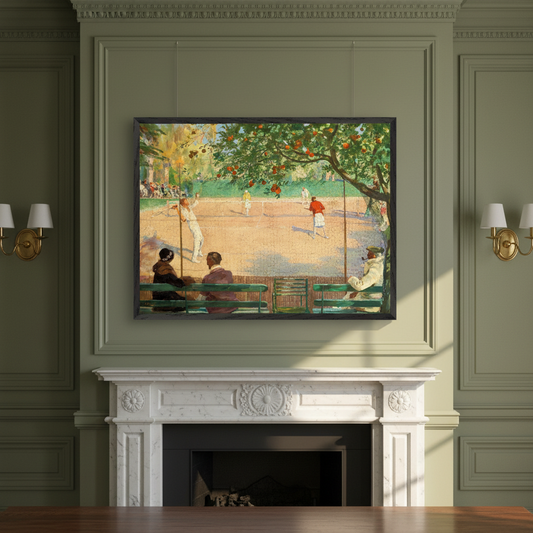
Sir John Lavery — Tennis, Hotel Beau Site, Cannes | Irish Art Print
Regular price From €75,00 EURRegular price€99,00 EURSale price From €75,00 EURSale -
After Breakfast, Tangier — Sir John Lavery | Irish Fine Art Print
Regular price From €55,00 EURRegular price -
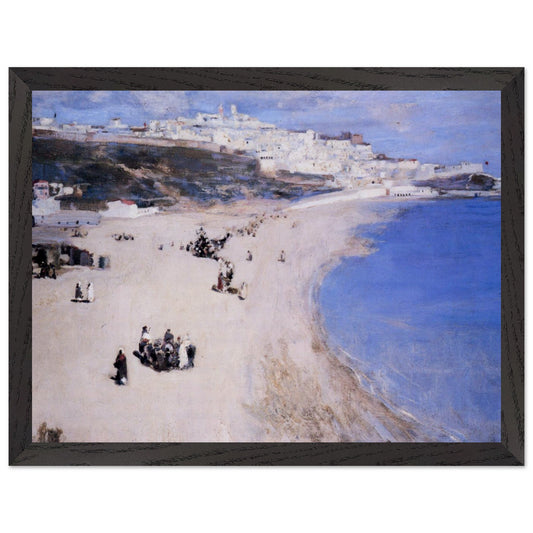
Tangier, The White City (1893) – Sir John Lavery | Irish Fine Art Print
Regular price From €75,00 EURRegular price -
A Villa on the Riviera – Sir John Lavery Art Print
Regular price From €55,00 EURRegular price -
Island Magee by Sir John Lavery — Irish Coastal Art Print
Regular price From €75,00 EURRegular price -
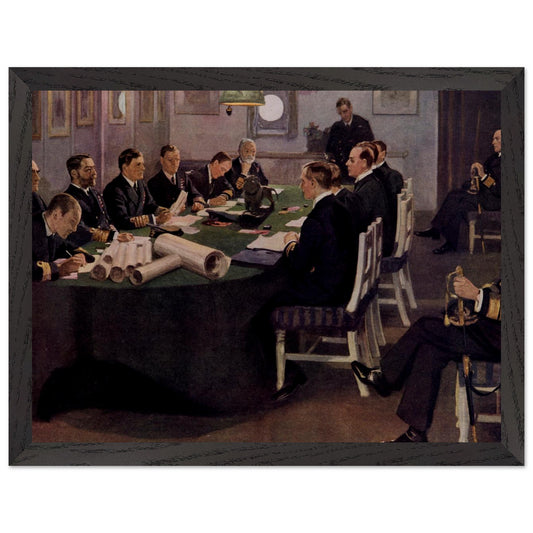
Admiral Sir David Beatty Reading the Terms of the Armistice (1918) – Sir John Lavery Print
Regular price From €75,00 EURRegular price -
The Amazon (1911) – Sir John Lavery | Irish Art Print
Regular price From €70,00 EURRegular price



































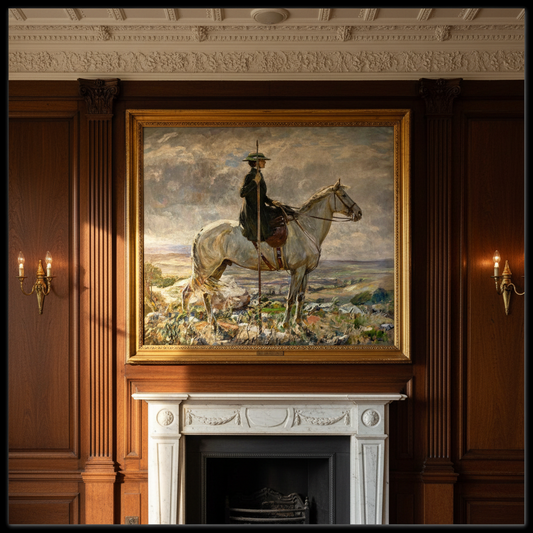
Collection: John Lavery
Read the full story: his life, the places he painted, and a collector's guide. Explore the John Lavery guide →
Sir John Lavery's portrait of his wife Hazel as Kathleen Ní Houlihan appeared on the Irish Free State's Series A banknotes, first issued in 1928 and printed until 1977. His paintings belong on your wall.
Sir John Lavery (1856–1941) was one of the most celebrated Irish painters of his era — born in Belfast, orphaned at three, trained in Glasgow and Paris, and equally at home painting society portraits, sun-drenched Moroccan scenes and the great political events of the early twentieth century. His Impressionist technique, sharp observational eye and command of light make the work as compelling now as the day it was painted.
Browse the full collection of John Lavery art prints — society portraits, Moroccan landscapes, tennis scenes and the Treaty paintings — on archival 250gsm matte paper, framed or unframed, with free worldwide shipping.
Read the story: the shipwreck that orphaned him, the Cromwell Place suppers during the Treaty talks, and how his wife ended up on the banknotes. John Lavery: the Belfast orphan who painted the Treaty →
Three ways to hang Lavery
Sixty-odd works is a catalogue, not a wall. They fall into three sets that hang at one size: Tangier and the Riviera — the sunlight pictures, from the hill-top house he bought in 1903 to Cap d’Ail in 1921; Hazel and the Sitters — the studio portraits, at matching scale; and Summer, Sport and the Sands — from The Tennis Party of 1885 to the sunbathers of 1936. Each set page says why its pictures belong together.
Part of our full Irish Art Prints collection — over 600 works by Ireland's greatest artists.
